How to Find Bangalore's Next Breakout Artist Before the Algorithm Gets There First
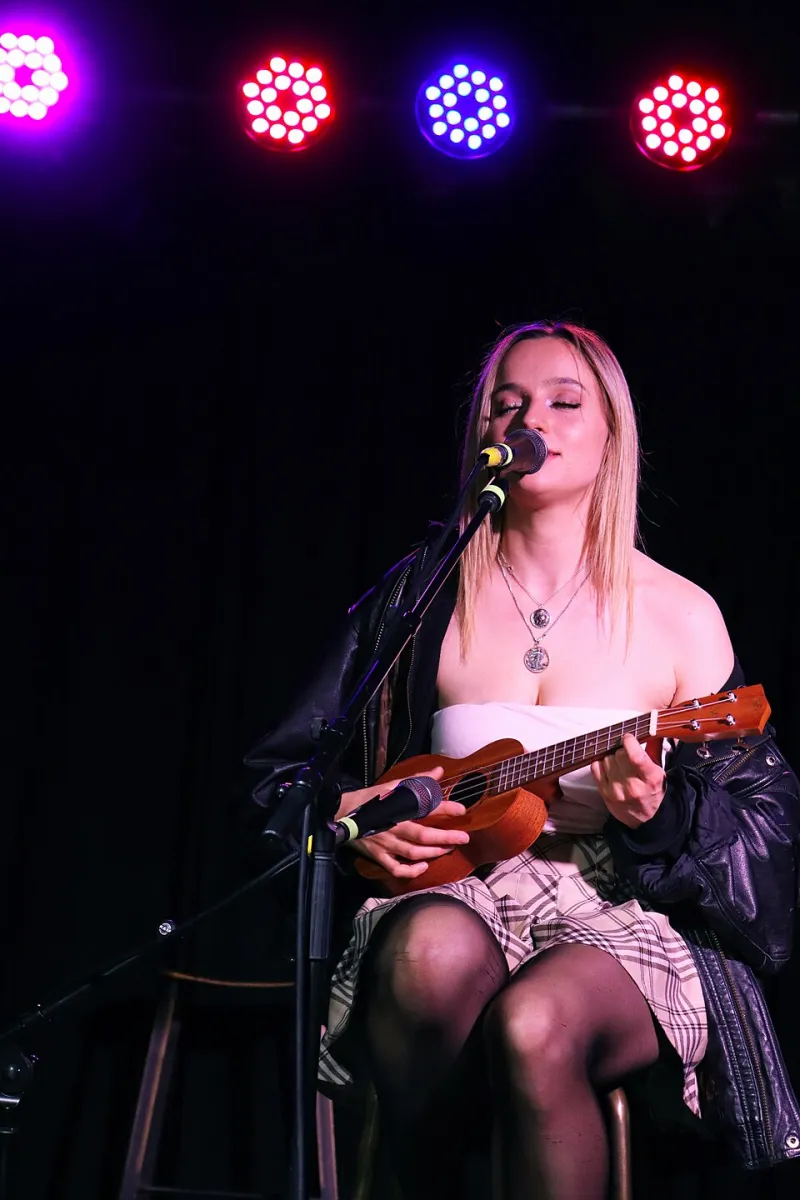
Photo: Kirrilee, CC0, via Wikimedia Commons
Spotify's algorithm is good at a lot of things. Finding you music you've basically already heard, presented with enough variation to feel like discovery — that's its whole thing. What it's not particularly good at is surfacing artists who are genuinely doing something new, before the streaming numbers have caught up to the creative reality.
For Bangalore's emerging music scene, that gap between creative reality and streaming visibility is where the most interesting stuff lives. And if you're a US listener who wants to actually be ahead of the curve rather than just feel like you are, you need to understand how to navigate it.
This is a practical guide. Let's get into it.
Start With Live Sets, Not Studio Recordings
Here's the thing about Bangalore's most compelling emerging artists: their recorded output often undersells them. The production budgets for early-career artists in any market are limited, and what you hear on a first EP or a SoundCloud upload is frequently a compressed version of what the artist actually sounds like when they're in a room with people.
Bangalore's live music circuit — particularly the smaller venues and pop-up shows in neighborhoods like Koramangala, Indiranagar, and Whitefield — is where you see the real picture. For US-based listeners who obviously can't fly over for a Thursday night show, the next best thing is Instagram Live and YouTube archives of these sets. Artists who are doing something genuinely interesting tend to have live footage that hits differently than their studio work. Look for that gap. If a live clip makes you feel something that the polished recording doesn't quite capture, that's a signal worth paying attention to.
The Instagram Accounts That Actually Matter
Not all music discovery Instagram accounts are created equal, and in Bangalore's scene, the ones worth following are usually not the biggest ones.
The accounts that are genuinely plugged in tend to be run by people who are themselves part of the scene — sound engineers, visual artists, promoters who book small venues, photographers who shoot shows for the love of it. These are not accounts with 200K followers and brand partnerships. They have maybe 8,000 followers, they post inconsistently, and when they do post about an artist, it's because they actually saw something worth posting about.
Search for accounts that are tagging venues rather than just artists. Look for accounts that post video over graphics — anyone can make a graphic, but video from inside a small show means someone was actually there. And pay attention to accounts that occasionally post in Kannada or mix English and Kannada in their captions. That's usually a sign you're looking at something local-first rather than something performing for an international audience.
Decoding What Innovation Actually Sounds Like Here
This is the harder part, and it's worth spending some time on.
Bangalore's music scene produces a lot of artists who are incorporating Indian classical elements into contemporary production — and that's genuinely interesting when it's done with real understanding, and considerably less interesting when it's done as aesthetic shorthand. The difference is audible once you know what to listen for.
The artists who are doing something sustainable tend to be fluent in the tradition they're drawing from. A producer who's incorporating Carnatic rhythmic structures into an electronic track isn't just dropping a tabla sample over a four-on-the-floor kick — they understand why the cycle works, how the tension and resolution function, what they're actually borrowing and why. When you hear that fluency, the music has a different kind of internal logic. It's not Indian music with a Western shell or Western music with an Indian garnish. It's genuinely something else.
Artists who are trend-chasing, by contrast, tend to reach for the most immediately recognizable signifiers — the most famous ragas, the most familiar rhythmic patterns — without the underlying understanding that makes those elements mean something. It sounds cool for about thirty seconds and then it feels hollow. Trust that feeling.
Specific Places to Start Your Search
A few concrete starting points for US listeners who want to actually do this:
Bandcamp still has a strong Bangalore presence among independent artists who care about audio quality and want to maintain control over their catalog. Search by location, filter by recent uploads, and spend time with artists who have multiple releases rather than just one. Consistency matters.
YouTube live session channels — there are several Bangalore-based channels doing the kind of intimate live session content that Sofar Sounds built its brand on, but with more specificity to the local scene. The production quality is variable, but the artist quality is often exceptional. Look for session series that have been running for more than a year — longevity in that format suggests real curation.
Resident Advisor and Boiler Room both have Bangalore-adjacent content if you dig for it, particularly in the electronic and DJ sphere. The artists appearing in those contexts have usually already cleared a meaningful credibility bar.
The Markers That Separate Artists Worth Watching From One-Hit Wonders
After spending enough time in any emerging scene, certain patterns become clear. Here's what sustainable creative talent tends to look like in Bangalore's context:
They have a creative community around them. Artists who are genuinely doing something interesting usually aren't isolated — they're part of a loose collective of collaborators, producers, visual artists, and writers who are all pushing each other. When you find one artist you like, look at who they're tagging, who's showing up in their comments, whose shows they're attending. That network is usually more predictive of long-term creative output than any individual release.
They're not performing for you. This sounds counterintuitive, but the artists who are building something real in Bangalore are usually not primarily oriented toward international validation. Their music is in conversation with their city, their community, their cultural context first. The international audience is a consequence, not the goal. When you find an artist who feels like they're making music for a room you're not in, that's usually a good sign.
They have an opinion. The most interesting voices in any scene are the ones who sound like they've made choices — about what they're not going to do as much as what they are. An artist whose music could plausibly have been made by anyone is less interesting than one whose music could only have been made by them. That particularity is what sustains a career past the first viral moment.
Start looking now. By the time the algorithm catches up, you'll already know.