Paperwork, Politics, and Plane Tickets: The Unglamorous Truth Behind Bangalore Artists Breaking Into the US
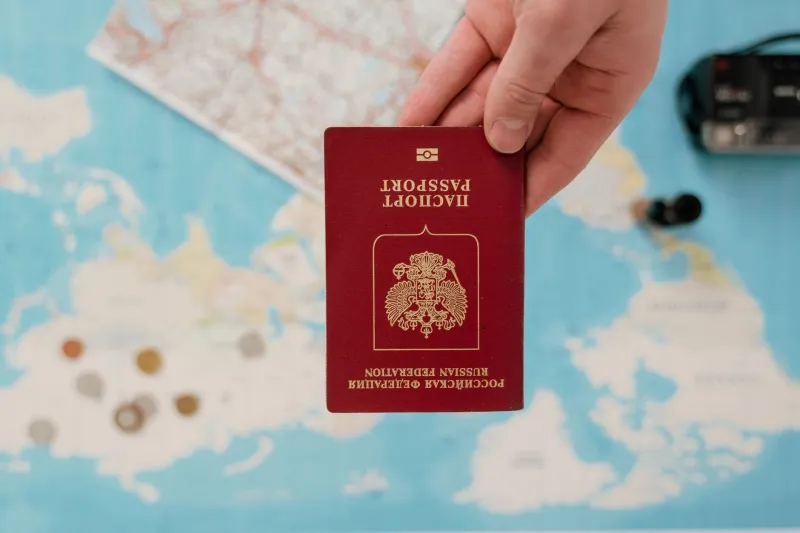
There's a version of the Bangalore-to-America story that gets told a lot. Artist blows up online, US label comes calling, world tour follows. It's clean, it's inspiring, and it leaves out roughly 90% of what actually happens.
The real story involves spreadsheets. It involves immigration attorneys billing by the hour. It involves label contracts written by people who genuinely believe India's music market is still figuring out streaming. And it involves artists who are talented enough to compete on any stage in the world but are stuck waiting on a government form to tell them whether they're allowed to show up.
We talked to artists, managers, and one very candid immigration specialist to get the full picture — the stuff that doesn't make it into the press release.
The Visa Maze Nobody Prepares You For
For international musicians trying to perform professionally in the United States, the O-1B and P visa categories are the main pathways. The O-1B is designed for individuals with "extraordinary ability" in the arts. The P-1 covers internationally recognized performers and groups. Both sound straightforward. Neither is.
"The documentation burden is enormous," says Priya Nair, an immigration attorney based in Chicago who has worked with several South Asian artists navigating the US system. "You need evidence of critical recognition, proof of your standing in the field, contracts, itineraries, peer testimonials. For an artist who's huge in Bangalore but doesn't have English-language press coverage, building that evidentiary record takes months."
For artists whose careers have been built on regional platforms — Karnataka-language YouTube channels, regional radio, Kannada film soundtracks — translating that credibility into documentation that satisfies USCIS adjudicators is genuinely difficult. One Bangalore-based producer who asked to remain anonymous described the process as "trying to explain color to someone who only understands black and white."
Processing times add another layer of stress. Premium processing for O-1 petitions can cost upward of $2,500 on top of attorney fees, and even then, requests for additional evidence can push timelines out by weeks. For artists trying to lock in festival slots or label showcases with fixed dates, that uncertainty is more than an inconvenience — it's a career obstacle.
What American Labels Get Wrong About the Indian Market
Assume for a moment that an artist clears the visa hurdle and lands a meeting with a US label. That's where a different kind of problem starts.
Several artists and managers we spoke with described a consistent pattern: American labels are interested, but their interest is shaped by assumptions about India that haven't been updated in years. The perception that India is primarily a physical-sales market, or that Indian audiences don't convert to paid streaming, still circulates in some A&R conversations — despite the fact that India is one of Spotify's fastest-growing markets globally.
"They'll offer you a deal that makes sense if you're an emerging artist from a small market," says one Bangalore-based manager who has negotiated with labels on both coasts. "But Bangalore isn't a small market. The audience is massive, it's digitally sophisticated, and it has purchasing power. When labels don't understand that, the royalty structures and advance offers reflect it."
There's also the question of creative control. Several artists described clauses that would require them to soften or remove the Indian musical elements that define their sound — the microtonality, the rhythmic structures borrowed from Carnatic tradition, the production textures that make their music distinct. The ask, sometimes explicit and sometimes implied, is to sand down the edges that make the music interesting in the first place.
"They want the aesthetic without the architecture," one artist told us. "They like that it sounds different, but they want to control exactly how different it sounds."
The Touring Reality Check
Even artists who secure visas and navigate label negotiations face a third layer of complexity: actually building a touring infrastructure in the United States.
The US live music circuit is not a single thing. It's a collection of regional markets — the Northeast, the Southeast, the Midwest, the West Coast — each with its own booking ecosystems, promoter relationships, and audience demographics. Breaking into one doesn't automatically open the others. And for an artist whose US fanbase is still being built, the economics of touring can be brutal.
Flight costs from Bangalore to any US city are significant. Add per diems, equipment logistics, venue splits, and the cost of a local support team, and the math gets uncomfortable fast. Many artists end up subsidizing their first few US tours out of pocket, treating them as marketing investments rather than revenue-generating events.
"Your first US tour is basically a very expensive business card," says one artist who has done it twice. "You're not making money. You're making contacts and proving you can hold a room."
Some managers are getting creative about this. Rather than booking traditional tours, they're targeting diaspora-heavy cities first — the Bay Area, New Jersey, the Chicago suburbs — where South Asian audiences already exist and are hungry for live performances that reflect their cultural background. It's a smarter entry point, and it generates the kind of footage and reviews that help build the broader US case.
The Support Systems That Are Starting to Emerge
It's not all friction. There are signs that the infrastructure supporting Bangalore artists in the US is maturing.
Some US-based South Asian arts organizations have begun offering legal resources and industry connections specifically for international artists. A handful of entertainment lawyers who specialize in cross-border deals have become go-to resources within the Bangalore music community. And the artists who have already made the journey are increasingly willing to share what they've learned — which visa attorneys actually deliver, which label clauses are negotiable, which promoters treat international acts fairly.
There's also a growing awareness among US industry professionals that the Indian market is not a footnote. As streaming data makes global listening patterns impossible to ignore, the conversation around what Indian artists bring to the table is shifting — slowly, but noticeably.
The Part That Doesn't Get Talked About Enough
Here's the thing about the artists grinding through all of this: most of them are doing it while still making music, still building their audience at home, still performing locally, still answering emails at midnight because the time zone difference with their US contacts means that's when the conversations happen.
The stamina required to pursue a US career from Bangalore is genuinely extraordinary. And it deserves to be part of the story — not just the moment the visa comes through or the contract gets signed, but the months of unglamorous work that made those moments possible.
The Bangalore sound is making noise on the world stage. The people carrying it there are doing a lot more than just playing music.