Tired of the Same Three Songs? Gen-Z Is Finding Its Antidote in Bangalore
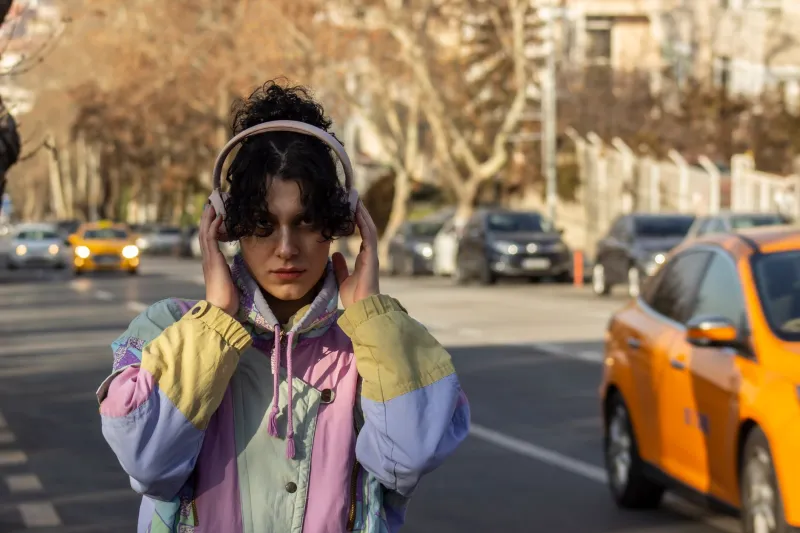
Somewhere between the fifteenth repeat of a hyperpop track and the algorithmic suggestion of yet another sad-girl acoustic ballad, something snapped for a lot of young American music fans. The playlist felt like a loop. The discovery tab stopped surprising anyone. And the music — technically fine, professionally polished — started to feel like wallpaper.
That's when people started looking elsewhere. And a surprising number of them ended up in Bangalore.
The Algorithm Problem Nobody Wants to Admit
Streaming platforms are extraordinary at giving you more of what you already like. That's kind of the whole pitch. But for Gen-Z — a generation that grew up with infinite choice and developed a finely tuned radar for anything that feels manufactured — "more of the same" is basically a death sentence for engagement.
Research from MRC Data and various music consumption surveys has consistently shown that Gen-Z listeners are more likely than any previous generation to actively seek out music from outside their home country. They're not doing it out of some cultural studies assignment. They're doing it because they're bored, and they know the good stuff is out there somewhere.
What they're finding in Bangalore's underground scene is something the algorithm genuinely cannot replicate: genuine unpredictability.
What Makes Bangalore's Sound So Hard to Pin Down
Here's the thing about Bangalore's experimental fusion artists — they didn't sit down and decide to be "genre-defying." It's just what happens when you grow up surrounded by Carnatic music traditions, absorb decades of Bollywood production, get deep into UK garage and Baltimore club through the internet, and then try to make something that feels honest to all of it at once.
The result is music that moves in ways Western listeners genuinely don't expect. A track might open with a tanpura drone that feels almost meditative, then pivot into something that sounds like it was built for a Berlin warehouse, then resolve into a melodic pattern that borrows from South Indian classical scales without ever announcing that's what it's doing. It doesn't ask permission to be confusing. It just is what it is.
For young American ears trained on genre playlists and mood categories, this is genuinely disorienting in the best possible way. You can't skip to the chorus because you don't know where the chorus is. You can't predict the drop. You have to actually listen.
The TikTok Pipeline to the Underground
Some of this discovery is happening through social media — a fifteen-second clip of something strange and beautiful from a Bangalore producer going viral in niche corners of TikTok, landing in the feeds of people who didn't know they were looking for it. But what's interesting is how many young American listeners are following those crumbs deeper, past the viral moment and into full projects, SoundCloud pages, and Bandcamp catalogs.
Artists like FILM, Siri Saripodhaa Sanivaaram's soundtrack contributors, and a loose constellation of Bangalore-based producers releasing under collective aliases have developed small but intensely loyal followings in US cities — particularly among listeners in creative industries, design students, and the kind of people who curate their own playlists obsessively because they've given up on letting an algorithm do it for them.
These aren't casual fans. They're evangelists. They're the people texting their friends links at 1am with no context, just "listen to this."
Authenticity Is the Product
There's a word that gets thrown around a lot in music marketing circles — authenticity — usually in a way that immediately makes whatever it's describing feel less authentic. But when Gen-Z listeners talk about what draws them to Bangalore's underground, they keep circling back to something similar without using that word.
They say things like: it sounds like it wasn't made for me. It sounds like it was made anyway. It sounds like it came from somewhere real.
That's a meaningful distinction. A lot of mainstream Western pop — and even a lot of indie music — is made with an audience in mind from the jump. The hooks are engineered. The emotional beats are mapped. Bangalore's experimental artists are largely making music for their own communities, their own cities, their own late nights. The fact that it travels is almost accidental.
That accidental quality is exactly what makes it feel genuine to listeners who've developed a sixth sense for music that was designed to be liked versus music that just is.
What This Means for the Wider Conversation
None of this is to say Bangalore is going to replace mainstream pop or that Gen-Z is about to collectively abandon Western music. That's not how any of this works. But what's happening is real: a growing cohort of young American listeners is actively building Bangalore into their musical diet as a corrective, a palate cleanser, a reminder that music can still surprise you.
For Bangalore artists, that's an opening. Not necessarily a commercial one — at least not yet — but a cultural one. The city's sound is earning a reputation in the US not through industry machinery but through genuine word-of-mouth from listeners who feel like they found something the algorithm couldn't give them.
And in 2025, that might be the most valuable kind of discovery there is.