Quitting the Algorithm: Why Bangalore's Tech Graduates Are Trading Six-Figure Salaries for Studio Time
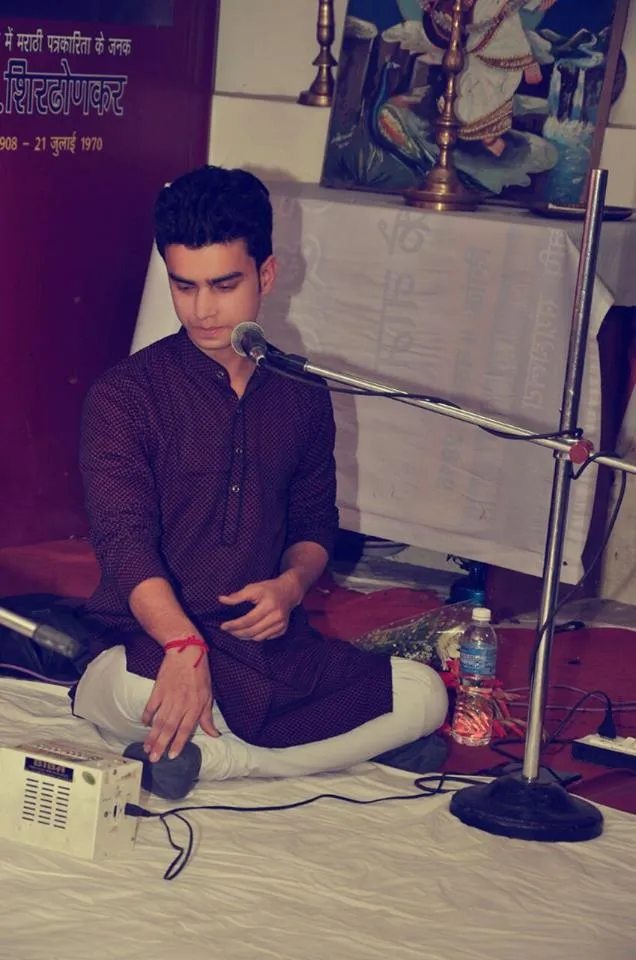
Photo: Ayushdw1998, CC BY-SA 4.0, via Wikimedia Commons
Karthik Rao has a computer science degree from one of India's top engineering colleges, three years of experience as a backend developer at a company whose name you'd recognize, and a studio setup in his apartment that he built piece by piece over eighteen months while working nights and weekends. Six months ago, he quit his job. He is twenty-six years old and, by every conventional measure of what a young engineer from Bangalore is supposed to want, he is making a catastrophic mistake.
He disagrees.
"Everyone I knew at my company was optimizing for a number," he says, sitting cross-legged on the floor of his studio space in Indiranagar, a neighborhood that has become something of a ground zero for Bangalore's creative exodus from tech. "A salary number, a visa lottery number, a stock options vesting number. I realized I was doing the same thing with music — trying to make it fit into a spreadsheet — and that was the problem."
Karthik is not an outlier. He is, increasingly, a data point in a trend that people in both Bangalore's tech industry and its music scene are tracking with a mixture of fascination and, depending on who you ask, alarm.
The Setup That Made It Possible
To understand why this is happening now, you have to understand what's changed about the economics of making music in Bangalore over the last five to seven years.
The short version: the cost of producing professional-quality music has collapsed. What required a full commercial studio setup a decade ago can now be approximated — and in some cases genuinely matched — with a laptop, a decent audio interface, studio monitors, and software that costs a fraction of what it once did. For someone with an engineering salary, even for a year or two, assembling a serious home studio is an achievable investment rather than a fantasy.
Simultaneously, the revenue pathways for independent music have multiplied. Streaming royalties, sync licensing, sample pack sales, Patreon and similar platforms, live performance, YouTube monetization, brand partnerships — none of these are individually sufficient, but in combination they create something that looks, at least plausibly, like a sustainable income structure for an artist who is strategic about it.
And Bangalore's tech graduates are, almost by definition, strategic. They run spreadsheets. They model scenarios. They think in systems. When they look at the music industry, they see it differently than a conservatory-trained musician might — as a platform problem, a distribution problem, a data problem. That framing, it turns out, is not unhelpful.
The Financial Calculation, Honestly
Let's not pretend this is easy. The people making this transition are largely doing so from a position of relative privilege — they have savings, they often have family support structures, and they live in a city where the cost of living, while rising, remains manageable compared to the US tech hubs they might otherwise be targeting.
Meghna Krishnan, a former product manager at a Bangalore-based fintech startup, spent four months building financial models before she handed in her notice. "I treated it like a product launch," she says, not entirely joking. "I mapped out three revenue scenarios — conservative, moderate, optimistic — and figured out my runway at each one. I gave myself eighteen months to hit the moderate scenario before I'd have to reassess."
She's fourteen months in. She's tracking slightly above her moderate projection, primarily from sync licensing deals for her atmospheric electronic compositions and a growing Bandcamp following in the US and Europe.
"The thing people in tech don't realize about music," she adds, "is that the skills transfer more than you'd think. I'm running a small business. I'm managing client relationships. I'm doing SEO on my artist profiles. I'm analyzing streaming data. None of that is foreign to me."
What the Parents Think
This would not be an honest account of this phenomenon if it didn't address the family dimension, which is substantial.
For many of the people making this transition, the conversation with parents has been the hardest part — harder than the financial uncertainty, harder than the creative vulnerability of putting music into the world. The engineering graduate who chooses music over a corporate career is, in the traditional framing of many South Indian families, doing something that requires explanation.
The explanations are getting easier to make, partly because of cultural shifts and partly because of evidence. When a family can see that their child is generating income — real, documented, bank-account income — from music, the conversation changes. It doesn't always become easy. But it becomes possible.
"My parents came around when I showed them my first sync check," says Rohan Nair, a twenty-eight-year-old producer and former software engineer who now creates instrumental music for US podcast networks and documentary filmmakers. "Not because of the amount — it wasn't huge — but because it was proof that someone on the other side of the world valued what I was making enough to pay for it. That made it real for them."
The Role of the Global Audience
One thing that consistently comes up in conversations with Bangalore's tech-to-music converts is the significance of having a global audience — specifically, a US audience — from early in their careers.
This is partly a practical point. Dollar-denominated revenue is worth more in rupees, and a modestly successful following in the US can translate to a genuinely livable income in Bangalore. But it's also a psychological point. Knowing that your music is reaching people in Chicago or Portland or Austin, people who have no cultural obligation to be interested in what you're doing, is validating in a way that local success alone isn't.
Streaming platforms have made this kind of global reach available to artists who would previously have needed label support to achieve it. For engineers who understand how recommendation algorithms work — who can think clearly about metadata, playlist positioning, and release timing — this is a navigable system rather than a mysterious black box.
The Broader Shift
What's happening in Bangalore is, in some ways, a local expression of a global trend. Creative careers are becoming more viable for more people as distribution costs fall and direct-to-audience platforms proliferate. The specific Bangalore version of this trend is just particularly striking because the alternative being rejected is so lucrative and so culturally loaded.
When a twenty-five-year-old in Kansas decides to pursue music instead of a corporate job, it's a story. When a twenty-five-year-old in Bangalore — with a degree that could fast-track them into a US visa sponsorship pipeline — makes the same choice, it feels like something more.
It feels like a signal about what people with options are starting to value. And in a city that has spent thirty years defining itself through technological ambition, that signal is worth paying attention to.